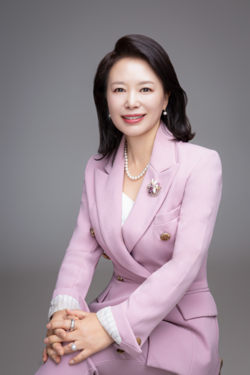
mage title: Characterizing Nursing Documentation Patterns in Hemodialysis Image caption: A 5-year analysis of more than 300,000 nursing records reveals that the documentation pattern emphasizes physiological surveillance and safety management. It also highlights how important aspects of patient education and self-management may remain less visible in electronic records.Image credit: Professor Mi-Kyoung Cho from Chungbuk National University, South KoreaLicense type: Original Content Usage restrictions: Cannot be reused without permission Analysis of hemodialysis nursing documentation brings to light the often overlooked work nurses undertake to safeguard patient safety A new study used text mining and natural language processing to examine more than 300,000 nursing records from patients undergoing hemodialysis. The analysis revealed that nursing documentation strongly focused on physiological monitoring, vascular access, and safety-related concerns, while patient education and self-management support were documented less frequently. These findings can help inform the improved implementation of electronic nursing record systems, supporting data-driven decision-making. Patients undergoing hemodialysis can undergo a wide range of intradialytic complications, making close monitoring a necessity. Acute complications, like low blood pressure, dizziness, and bleeding, frequently disrupt sessions and threaten patient safety, placing nurses at the center of clinical surveillance. Nurses continuously observe patients, interpret subtle changes in their condition, and respond to potential risks. Routine nursing records provide an essential archive of this care, documenting patient status, symptoms, complications, and direct interventions. However, what these records systematically reveal about nursing surveillance in hemodialysis settings is understudied. To address this gap, researchers from Korea, led by Professor Mi-Kyoung Cho from Chungbuk National University, Republic of Korea, analyzed more than 300,000 electronic nursing records from a tertiary hospital in South Korea. The study was published in Volume 2026, Issue 1 of the Journal of Nursing Management on May 25, 2026. By combining text mining and topic modeling with the Korean Nursing Surveillance Scale, researchers analyzed 300,321 free-text nursing records from 188 adults undergoing maintenance hemodialysis at a South Korean tertiary hospital between July 2020 and June 2025. This computational approach allowed the team to systematically map recurring patterns and gaps within 5 years of clinical documentation. The analysis showed that nursing documentation predominantly emphasized physiological monitoring and immediate complication prevention, including vital signs, vascular access integrity, bleeding, hypotension, and dizziness. In contrast, specific documentation of patient education and self-management support, including fluid restriction, medication adherence, fall-prevention education, and recognition of warning symptoms, was relatively less frequent. Topic modeling further identified eight recurring themes, grouped into three broad areas: the hemodialysis treatment process, clinical assessment and monitoring, and safety and risk management. The data also revealed a highly repetitive and structured recording pattern, with the 30 most frequent terms accounting for 75.3% of all extracted terms. The relative underrepresentation of patient education and self-management support should be interpreted carefully. Nursing records may not capture the full scope of care actually delivered. ‘Educational and supportive care may be documented less consistently than physiological observations, particularly when these activities are recorded in less standardized formats,’ explains Prof. Cho. Thus, lower documentation frequency does not necessarily indicate that less care was provided, but rather that some aspects of nursing care may be less visible in electronic records. The findings suggest a practical opportunity to improve electronic nursing records. Structured prompts or checkboxes could help nurses document patient education and self-management support more consistently while minimizing additional documentation burden. “The goal should not be to make nurses document more but to design documentation systems that capture meaningful nursing care without increasing their documentation burden,” Prof. Cho emphasizes. The study also highlights opportunities for future research. Advanced natural language processing may enable more context-sensitive analysis of nursing documentation, while multi-institutional studies could determine whether these documentation patterns are consistent across healthcare settings, and examine how specific surveillance activities are associated with patient outcomes. Together, these approaches may help make nursing surveillance more visible in clinical records and strengthen the use of nursing documentation for quality improvement and data-driven decision-making. ReferenceTitle of original paper: Topic Modeling of Nursing Documentation in Hemodialysis Units: A Mixed-Methods Study of Nursing Surveillance ActivitiesJournal: Journal of Nursing ManagementDOI: 10.1155/jonm/5445706 About Chungbuk National UniversityChungbuk National University (CBNU) is one of South Korea’s leading national research universities. Located in Cheongju, CBNU is recognized for excellence in science, engineering, medicine, agriculture, and technology, fostering interdisciplinary research and innovation. Through collaborations with academic institutions and industry partners worldwide, the university advances research that addresses real-world challenges and contributes to scientific, technological, and regional development. Website: https://www.cbnu.ac.kr/english/selectBbsNttList.do?bbsNo=38&key=787 About Professor Mi-Kyoung Cho from Chungbuk National University, South KoreaProfessor Mi-Kyoung Cho, PhD, RN, is a Professor of Adult Nursing at Chungbuk National University, Republic of Korea. A former Registered Nurse at Seoul National University Hospital with 15 years of clinical experience, she earned her PhD from Seoul National University in 2008. Dr. Cho has authored over 80 publications, focusing her research on nursing surveillance, patient safety, and self-management for chronic conditions like stroke, diabetes, and hemodialysis. Her work leverages clinical data and nursing research to develop evidence-based interventions that directly improve chronic disease care.
11.06